
Healthy soil takes time, but the right data and plan can help growers build stronger roots, improve performance and produce better crop quality
Allie Cushnyr
Senior Agronomist, CCA, PCA, Holloway
As an agronomist, my goal when working with growers is to make recommendations based on what I would do, as if it was my own farm.
Quality is a huge focus of all to ensure we have better crop size, increased uniformity and ideal color. We live in a world that wants everything to look “perfect,” with as few off-types as possible.
In season, what we see above ground is a direct reflection of what is going on below the soil surface. Yield and quality are achieved by many factors including applied water, fertility, soil amendments, root health, soil structure and the biological activity taking place in the root zone.
The status of the soil is key for the foundation of a valuable crop and for future generations of crop production.
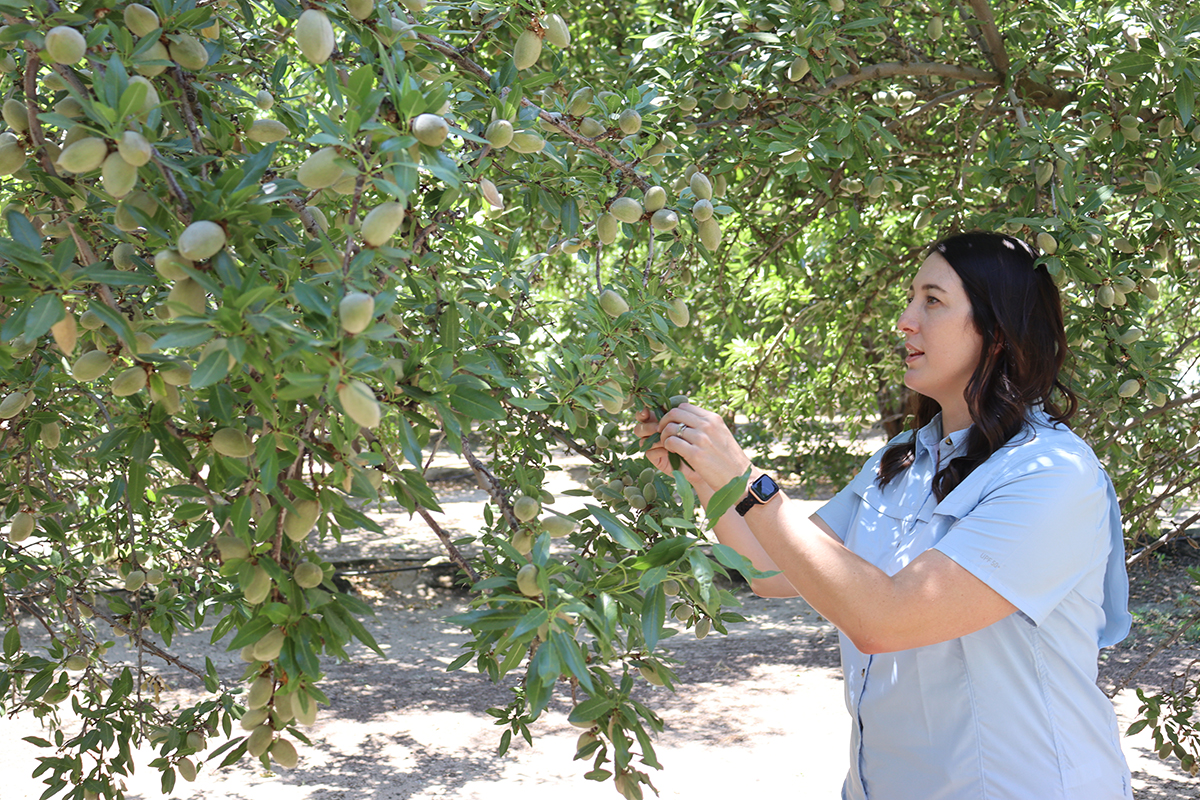
Supporting healthy soils is an important aspect that cannot be ignored. The amount of microbes that live within the soil is unbelievable, and they support the foundation of our plants by making nutrients available, supporting soil structure and breaking down organic matter.
Practices like the application of organic soil amendments, annual planting like cover crops, permanent plantings like windbreaks and supporting less tillage on farms are used to support this biological network underground.

When sampling the soil, we can keep tabs on our soil health by including an analysis for organic matter and tracking it year over year. It can take years to see the effects of these applications, so don’t feel let down if you don’t see anything change in Year 1. It not only takes time, but some trial and error to see what will work best for an operation.
Soil structure is an important aspect of producing quality crops. Soil analysis is key to understanding if the field can hold nutrients, has drainage issues, or has an excess of sodium.
Water quality can also have an impact on soil because it is the No. 1 “input” that is applied to the crop. Managing water pH, salinity, and bicarbonates can be a huge help to prevent additional problems from arising. Plants depend on their roots to uptake water and nutrients. If the root system is restricted or prevented from doing its job, we limit the plant’s ability to take up water and nutrients.
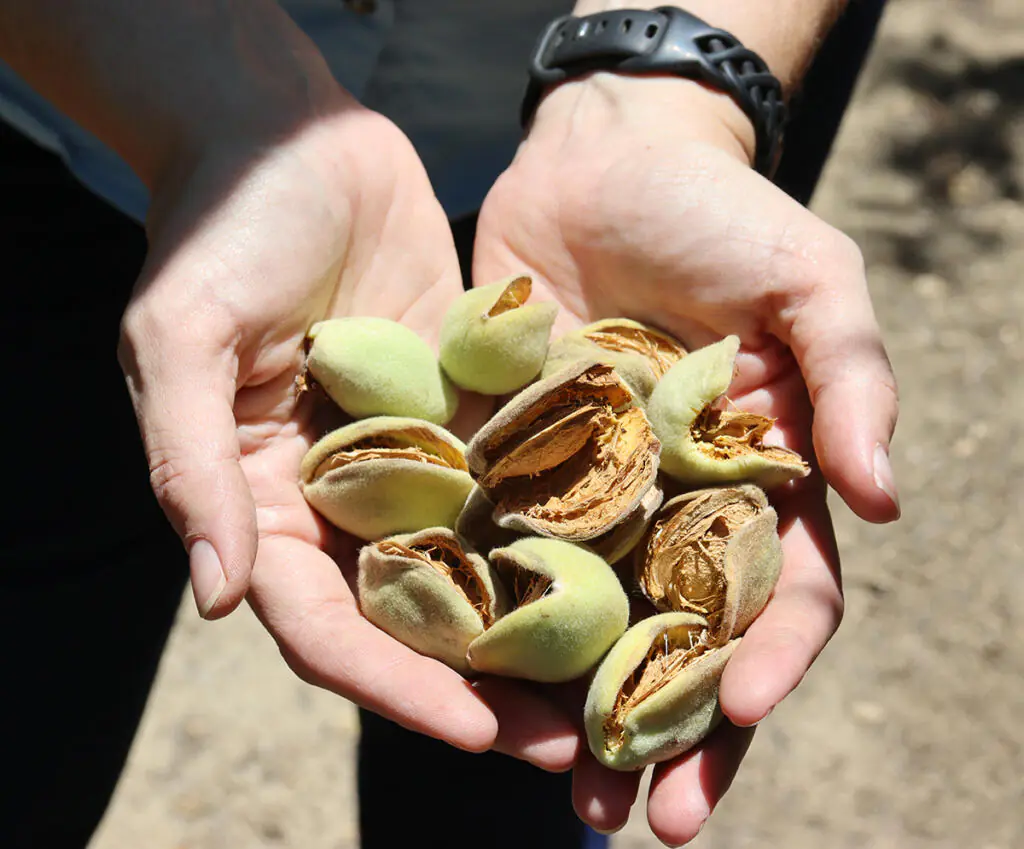
Having soil structure that allows for balanced drainage of the soil and retention of nutrients is key for success. Utilizing true gypsum comes in handy when I have seen growers struggling with drainage on a field. It can open the soil structure to get water moving through the root zone.
Gypsum is a material that is pH neutral and provides calcium plus sulfur to a nutrition program. Choosing the right gypsum, come with asking the right questions.
Asking for an analysis from a third-party lab is key and ensuring they are testing for the following is important: dihydrate gypsum (CaSO4 + 2H2O), anhydrite gypsum (CaSO4) and lime (CaCO3). Choosing a gypsum that is only dihydrate gypsum will ensure your application works for you quickly. It should be applied when indicated by an agronomist, alongside recent soil samples from a reputable lab.
To reach peak yield and quality, we cannot afford to guess. Measuring soil, water and plant tissue gives us the information needed to identify problems, target applications, track progress and adjust when we are not moving the needle.
Healthy soil takes time to build, but with the right data and the right plan, growers can improve infiltration, support stronger roots, meet soil health goals and produce a more consistent, higher-quality crop.
If you need help understanding your own field, be sure to contact us via the form on this page to get your soils / water / tissues sampled and ensure you’re optimizing quality come harvest and beyond.
Contact Us Today
Fill out the form for a free agronomy consultation and to discuss the needs of your operation:
Download the Gypsum Analysis
The agronomy team had five forms of gypsum analyzed by a third-party lab and found that Holloway’s 55% outperformed others with only high-quality Dihydrate Gypsum, Calcium Sulfate (CaSO4+2H2O), versus Anhydrite (CaSO4) alternatives.
READ MORE …
Join Over 800 Companies Using Holloway Today.
Or Become Part of The Holloway Group to Further Your Career.